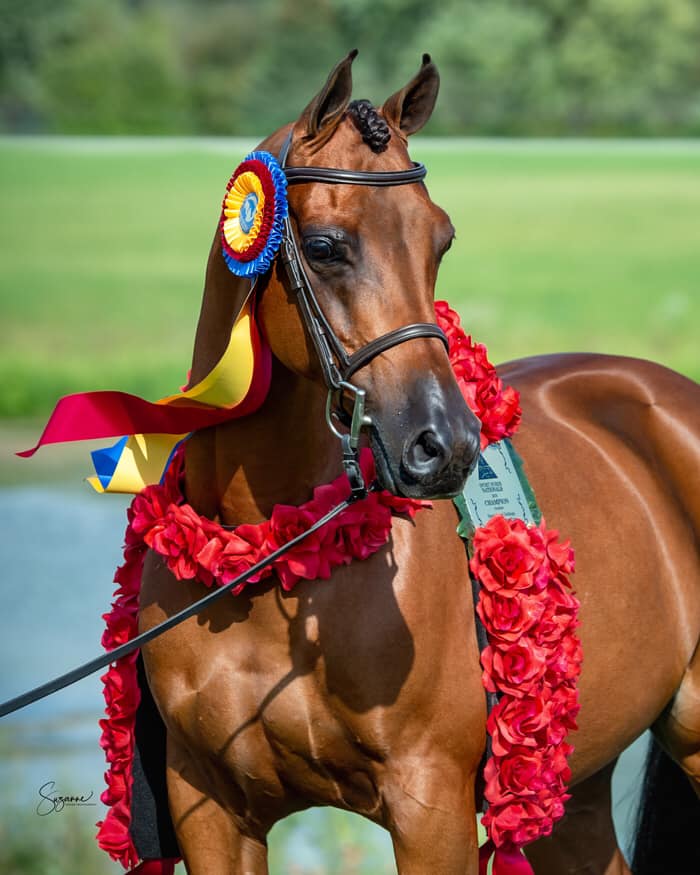
There comes a point every fall when you realize your horse has officially transformed into a fuzzy woolly mammoth. Sweat takes forever to dry, currying turns into an arm workout, and cool-downs double in length. That’s when it hits you: it’s clipping season.
Body clipping isn’t just about looks (though a freshly clipped horse does look fabulous). It’s about comfort, efficiency, and keeping your horse happy and healthy through the cooler months. Whether you’re prepping for winter training, getting ready for show season, or just trying to manage that thick coat, a good clip can make all the difference.
It can seem intimidating at first, but once you get into a rhythm (and find the right tools) it becomes surprisingly satisfying. In this post, I’ll walk you through everything you need to know before you start clipping: from prep work to aftercare. I’ll also share some of my favorite clippers, blades, and coat-care products that make the process smoother and quieter for both horse and human.
When (and Why) to Body Clip
Timing your clip makes all the difference. Most people start clipping in early to mid-fall, once the heavy coat starts coming in and their horse is working hard enough to sweat through it. The goal is to help your horse stay cool and comfortable during exercise, plus to make post-ride cleanup faster and easier.
Some riders clip once per season, while others do touch-ups throughout the year. Just remember, once you start clipping, your horse will likely need blanketing since they won’t have that thick coat to keep them warm anymore.
And yes, the coat will grow back! Most horses start regrowing hair within a few weeks, and you’ll see a full coat again in about two to three months.
Choosing the Right Clip Style
Not every horse needs a full clip. There are several styles to choose from depending on your horse’s workload, your barn setup, and how much maintenance you’re comfortable with.
- Full Clip: Removes all body hair, including legs and face. Best for horses in heavy work or show training.
- Hunter Clip: Body and neck are clipped, but the legs are left fuzzy for warmth and protection.
- Blanket Clip: Leaves a “blanket” of hair over the back and hindquarters. Great for moderate work.
- Trace Clip: Keeps hair on the upper body and along the back, removing it where sweat tends to build up.
- Bib Clip: Just under the neck and chest. Perfect for light work or horses living outside.
Prep Work Makes All the Difference
Clipping a dirty horse is a recipe for disaster. Dirt, dust, and oils will dull your blades quickly and leave lines in the coat. Clean horses make for smooth clips.
Start with a good bath the day before. A lot of clippers will use a degreasing shampoo or pre-clip spray to remove any buildup from the coat. If it’s too cold to bathe, use a hot towel rub-down or a vacuum to lift away grime. Make sure your horse is completely dry before you start. Moisture and clippers do not mix.
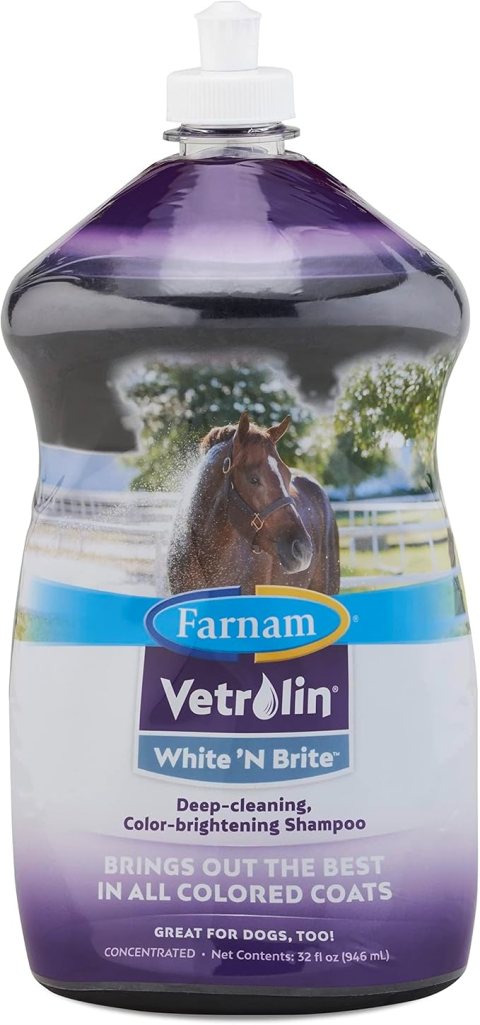
My current favorite shampoo is Vetrolin. I’ve found this one really gives a shiny coat without drying it out. Also, as someone who likes white markings on horses, it keeps those sparkly and sharp!
Brush thoroughly, detangle the mane and tail, and make sure your workspace is well-lit and safe. A clean, dry, and calm horse will make your clipping day infinitely easier. I also make sure to coat every bit of the horse’s body with ShowSheen. This really helps protect the hair from gathering dirt, leading to a smoother clipping experience. My trainer told me this years ago, and it was a game changer!

Clipping Day Tips for a Smooth Session
Take your time and go in with a plan. Start with an area your horse is comfortable having clipped, like the shoulder or barrel, before moving to sensitive spots like the belly or face. I personally prefer to start with the shoulder and neck. Depending on my mood, I like to knock out the head or legs early on, too. Those can be the most time consuming, so it’s nice to get them out of the way. Let’s face it, both human and horse reaches a point where they’re over it. Better to get the hard stuff done early if your horse is good with it!
Use short, overlapping strokes and let the clippers do the work. Pressing too hard can cause lines and irritate your horse’s skin. Keeping the same pressure is really important. Keep your blades cool and oiled, and give your horse short breaks if needed. A lot of times, I’ll start the clip on one day and finish it the next. Of course, it’s also nice to have it finished in one day to save yourself two days of hair covered clothing!
If your horse is nervous, a quiet pair of cordless clippers can make a big difference. Some horses also relax with a hay net or a buddy standing nearby. Well placed fans to keep you and your horse comfortable (and fly free) are also important if the weather is warmer.
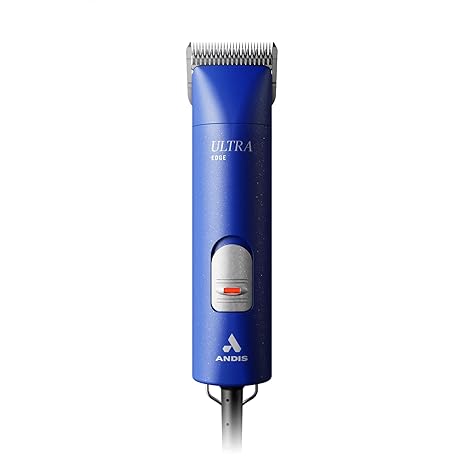
👉 My favorite clippers! We all have our preferences, but I tend to always go back to the Andis Ultra Edge. Yes, it may say it’s for dogs, but I’ve never had an issue with it on a horse. You can get wider clipper blades, too, but I just stick with a standard 10 blade. I like to use a 50 blade on bridlepaths and in ears. If I’m doing an Arabian style face clip, it all becomes much more complicated! That would be an entire blog by itself. I’m also, honestly, a bit out of practice on it!
Aftercare: The Post-Clip Glow-Up
When you’re finished, take a step back and admire your masterpiece — then get ready for cleanup. Vacuum or brush away loose hair, and wipe your horse down with a damp cloth to remove static and dust.
Follow up with a soothing coat conditioner or detangler to restore moisture and bring out that fresh shine. Check for any nicks or irritation, especially around sensitive areas like the girth or elbows.
If you feel like your horse’s coat is very dry, or if you have a show coming up quickly, doing an oil treatment might be a good idea.

I like to use Shapley’s Light Oil if that’s the case. I dilute it with safely hot water and sponge it over the entire horse. I personally have found that leaving it on overnight really helps. Then, the next day, a full bath again really helps. You don’t want to leave the oil on too long, or it may cause skin issues.
A part of my daily routine, body clipped horse or not, is to use Healthy Hair Care Moisturizer on their coats (NOT their manes and tails!). I swear by this stuff and always have at least one spray bottle with it in my barn. It really keeps their coats soft and healthy.

And most importantly, blanket accordingly. A freshly clipped horse can get chilled easily, especially if it’s windy or damp. Having a lightweight sheet or cooler on hand makes a big difference.
Maintenance and Care Between Clips
Keep your clippers clean and well-oiled — both before and after each use. Store them in a dry place and disinfect blades between horses to prevent skin irritation or fungus spread.
If your horse’s coat grows unevenly, you can always touch up small areas rather than doing a full reclip. A quick spot clip around the girth or flanks can extend the life of your original clip and keep your horse looking tidy.
Troubleshooting Common Issues
Even the best clippers can act up if conditions aren’t right. If you notice lines in your clip, your blades might be dull or your horse’s coat still slightly dirty. If the clippers are overheating, stop to oil them more often and give them a rest.
Static buildup is another common issue. A quick mist of that awesome coat spray or a rub-down with a dryer sheet can help. And if your horse just isn’t a fan of clipping, patience (and a calm environment) goes a long way.
Final Thoughts
Body clipping might seem like a big project, but it’s one of those barn chores that gets easier, and more satisfying, each time you do it. A good clip can make your horse more comfortable, your rides more enjoyable, and your grooming routine much simpler.
My horses always seem to strut a little taller after their first clip of the season, like they knows they look good. And honestly? They’re all right.
If you found this guide helpful, share it with your barn friends or save it for your next clipping day. And if you have a product or trick you swear by, drop it in the comments! I’m always looking for new favorites to try!

 Silhouette Arabians